Where Can You Go Fishing on Cape Cod?
From shore, the Cape Cod Canal is the best-known spot: the US Army Corps of Engineers allows fishing from its banks, with accessible fishing at the Sandwich bulkhead and the Scusset Beach fishing pier. Surf casting is allowed on Cape Cod National Seashore beaches, except on swimming beaches from 8 a.m. to 6 p.m. in summer, and MassWildlife stocks trout in ponds in 12 Cape towns. Anglers 16 and older need a Massachusetts saltwater fishing permit, and anyone 15 or older needs a freshwater license.
- Saltwater permit
- $10 a year; free at 60 and over, but still required
- Freshwater license (2026)
- $40 for residents, $50 for non-residents
- Striped bass (2026)
- One fish a day, 28 to less than 31 inches
- Shellfishing
- Permit from the town where you dig
Fishing Licenses and Permits in Massachusetts
The Division of Marine Fisheries (DMF) runs the saltwater permit. You do not need one if you are under 16, if you fish aboard a permitted for-hire vessel such as a charter or head boat, or if you are a non-resident holding a valid Connecticut, New Hampshire or Rhode Island saltwater permit. Anglers 60 and over pay nothing but must still get the permit.
MassWildlife runs the freshwater license. Its prices do not include the $5 Wildlands Conservation Stamp, added to the first resident license bought each year and to every non-resident license, and the discounted licenses are only for US citizens. Buy either one online through MassFishHunt, at an approved vendor such as a bait and tackle shop, or at a DMF or MassWildlife office, which add no extra fees but take only cash or checks. Carry your permit or license when you fish, on paper or on your phone.
| Permit or license | Who needs it | Cost |
|---|---|---|
| Recreational saltwater fishing permit | Anglers 16 and older | $10 under 60; free at 60 and over. Same price for residents and non-residents |
| Freshwater fishing license, resident | Massachusetts residents 15 and older | $40; $20 at ages 65 to 69; free at 15 to 17 and at 70 and over |
| Freshwater fishing license, non-resident | Non-residents 15 and older | $50; $8 at ages 15 to 17 |
| Three-day freshwater license | An option for a short trip | $20 for residents, $30.50 for non-residents |
Where to Fish from Shore on Cape Cod
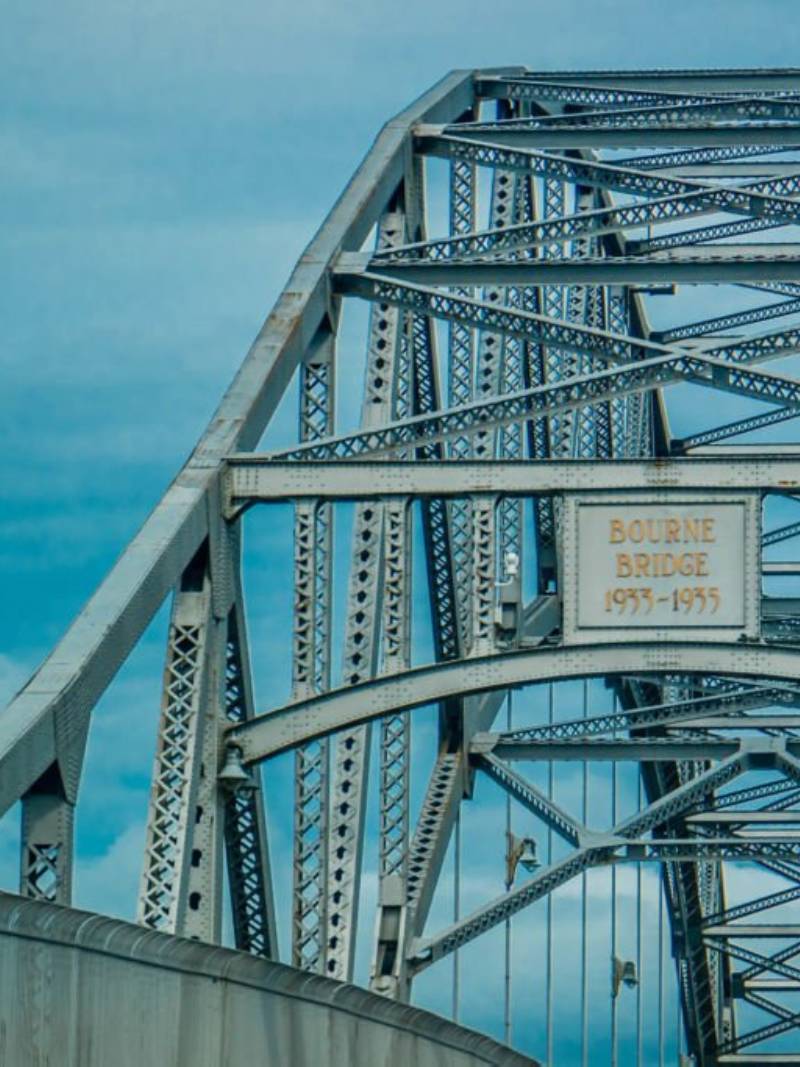
The Cape Cod Canal, run by the US Army Corps of Engineers, is 17.4 miles long, and the Corps allows fishing from its banks on federal property, except at the Canal Field Office compound. Fishing is not allowed from a boat in the canal, from the bridge piers, or from or below the railroad bridge approach spans. The Corps names accessible fishing spots at the Sandwich bulkhead and the Scusset Beach fishing pier, and warns that the riprap slopes can be slippery. Its paved service roads, 7 miles on the north bank and 6.5 on the south, give anglers access along the water. Keep chairs and gear off the roads.
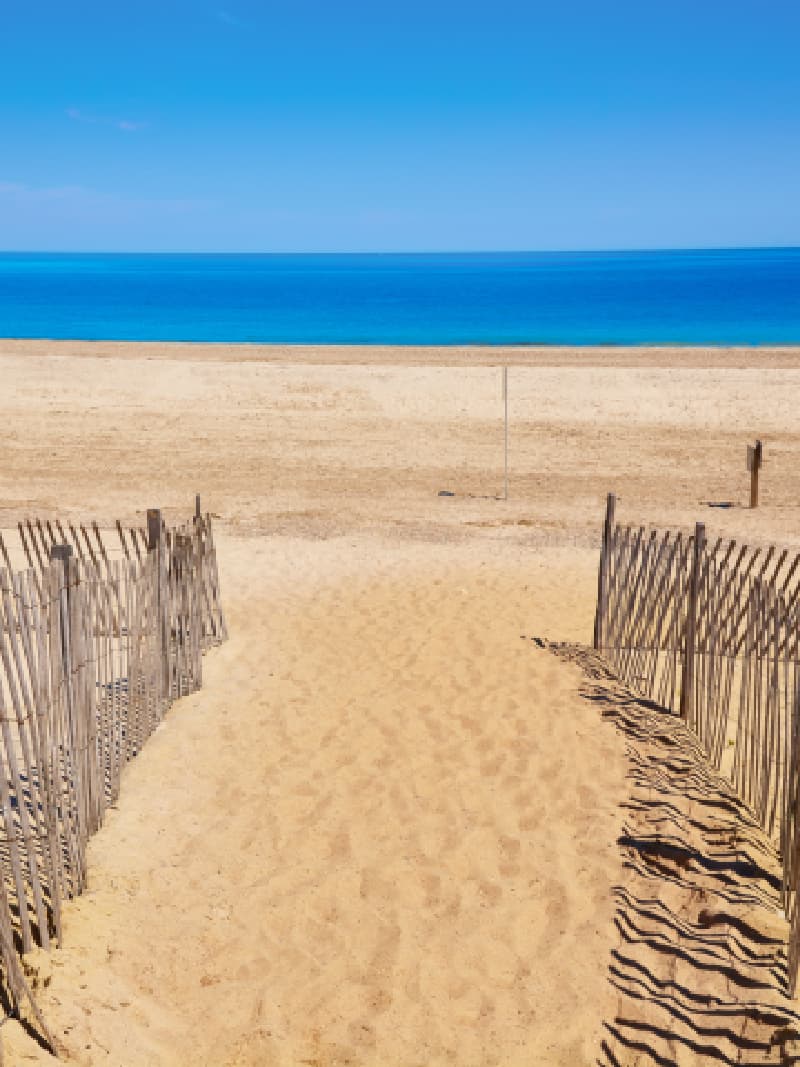
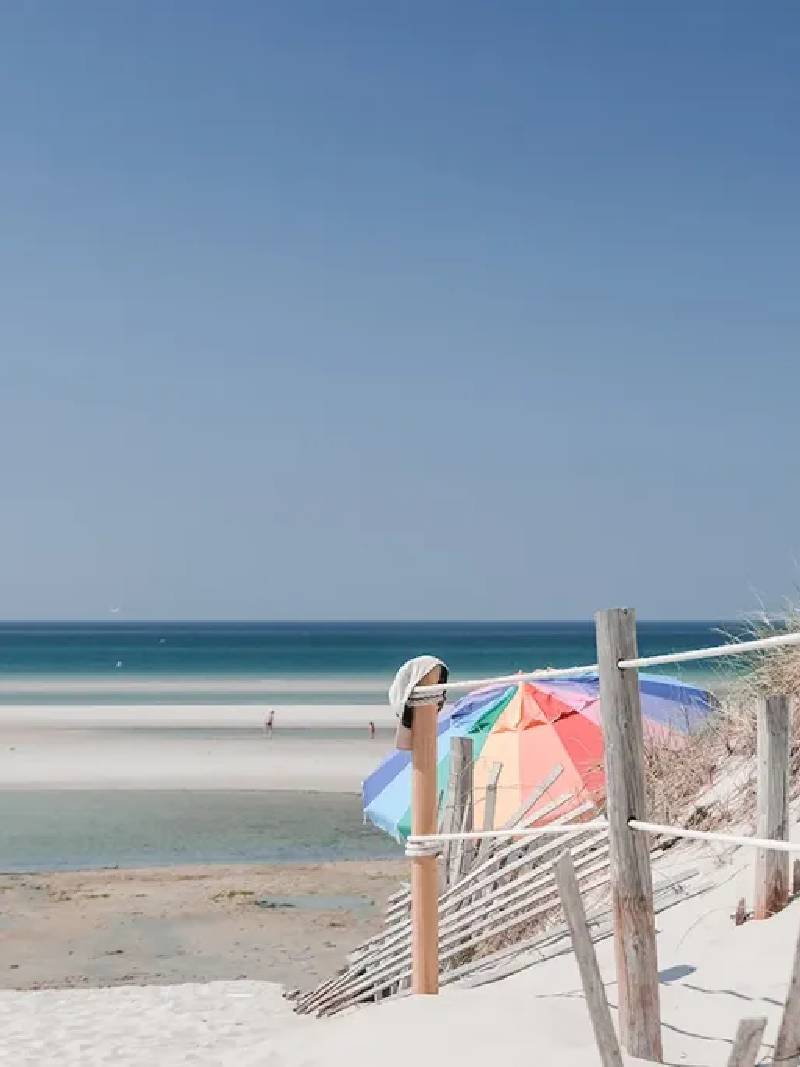
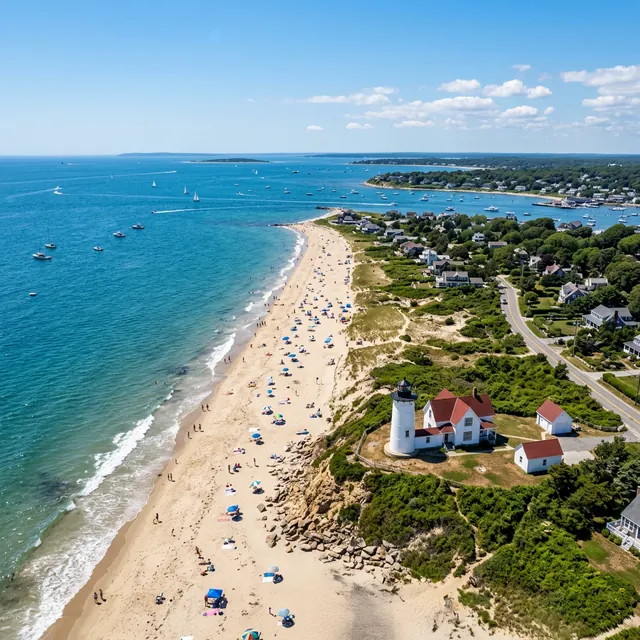
Cape Cod National Seashore follows state fishing law, with its own rules. You may fish from designated swimming beaches all year, except from 8 a.m. to 6 p.m. between June 15 and Labor Day. Park lots close at midnight; to park and fish between midnight and 6 a.m., apply for a night fishing parking permit at a visitor center. Leaving fish remains on the beach is not allowed.
Driving onto the beach takes a separate National Park Service oversand (ORV) permit: in 2026, $150 a year or $50 for seven days, with seven-day permits sold only at the Oversands Permit Station at Race Point Beach in Provincetown. Rental vehicles are never allowed on the corridor, and nesting shorebirds can shrink it sharply in June and July, sometimes without notice.
Trout Fishing in Cape Cod Ponds
MassWildlife stocks brook, brown, rainbow and tiger trout from five hatcheries, one of them in Sandwich. Every water on its list is stocked in spring, and many Cape ponds are stocked again in fall. Stocking depends on staffing, water levels and weather, so check the daily stocking report before you go. Inside the National Seashore, freshwater fishing is by hook and line only, and minnows or other bait fish may not be used as bait except in designated waters.
- Barnstable: Hamblin, Lovells and Shubael Ponds (spring and fall); Hathaway Pond (spring)
- Brewster: Cliff, Flax, Little Cliff and Sheep Ponds (spring and fall); Higgins Pond (spring)
- Chatham: Goose Pond and Schoolhouse Pond (spring)
- Dennis: Scargo Lake (spring and fall)
- Eastham: Herring Pond (spring and fall)
- Falmouth: Ashumet and Grews Ponds (spring and fall); Deep and Shivericks Ponds (spring)
- Mashpee: Ashumet Pond, Johns Pond and Mashpee/Wakeby Ponds (spring and fall)
- Orleans: Baker Pond and Crystal Lake (spring and fall)
- Sandwich: Peters and Spectacle Ponds (spring and fall); Scorton Creek (spring)
- Truro: Great Pond (spring)
- Wellfleet: Gull Pond (spring)
- Yarmouth: Long Pond (spring)
What Can You Catch on Cape Cod, and When?
DMF calls striped bass one of the most important fish to local anglers, and says they are in Massachusetts waters from May to November, migrating north in spring and summer and south in fall, and that dusk and dawn are the best times, with night fishing often good in midsummer. Bluefish feed in big schools near inlets, shoals and rips. Scup can be in the state's southern inshore waters from April through October and gather around piers, rocks and jetties.
- Use inline circle hooks when fishing for striped bass with whole or cut natural bait.
- Do not gaff a striped bass, and do not keep one on a stringer or in a live well to swap for a bigger fish later.
- From shore, baited hooks may not be cast with drones, remote-control boats or bait cannons.
- From Plymouth Beach along Cape Cod Bay and the Outer Cape, including Monomoy and Chatham Harbor, shore anglers may not fish baited hooks with a gap over 5/8 inch on a metal leader longer than 18 inches.
| Species | Size | Open season | Daily limit |
|---|---|---|---|
| Striped bass | 28 inches to less than 31 inches | All year | 1 fish |
| Bluefish | No size limit | All year | 5 fish from shore or a private boat; 7 on a for-hire boat |
| Black sea bass | 16 inches minimum | May 16 to Aug 31; Sept 1 to Oct 14 | 4 fish, then 2 fish |
| Scup | 9.5 inches from shore; 11 inches from a boat | May 1 to Dec 31 | 30 fish (40 on for-hire boats in May and June) |
| Summer flounder (fluke) | 16.5 inches from shore; 17.5 inches from a boat | May 24 to Sept 23 | 5 fish |
| Atlantic bonito and false albacore | 16 inches minimum | All year | 5 fish, both species combined |
Shellfishing: Get a Permit from the Town
Each town issues its own shellfish permits and rules. DMF sets minimum sizes, such as 1 inch of shell thickness for quahogs, 2 inches across for soft-shell clams and 3 inches for oysters, and closes bay scallops from April 1 to October 1, and for each species tells you to consult town regulations. The National Park Service allows shellfishing in the Seashore only with a permit from the right town.
Eastham sells recreational permits to residents and non-residents alike, either for a year (July 1 to June 30) or for seven days, at its Recreation and Beach Department sticker office. Either one lets you take up to a peck (10 quarts) a week. Wellfleet sells annual permits, valid January 1 to December 31, and seasonal permits for June 1 to September 30, also to non-residents, with a limit of 10 quarts a week. In both towns, carry the permit whenever you are on the flats.
Fishing Charters from Cape Cod Harbors
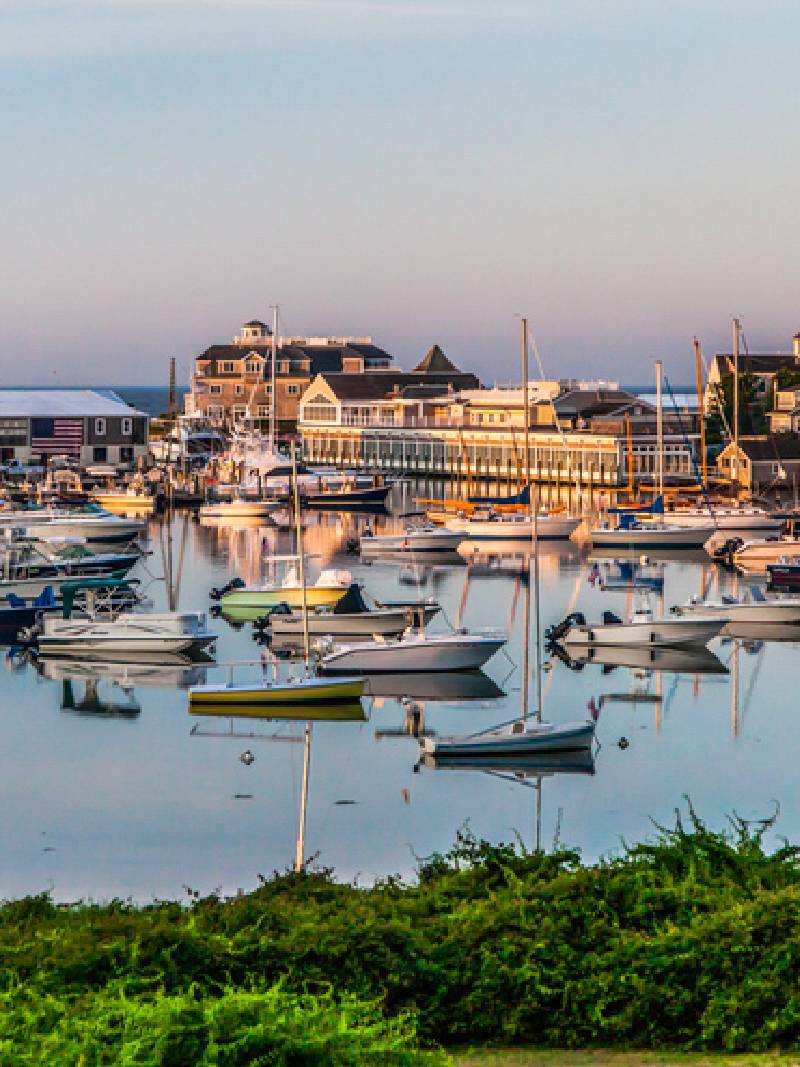
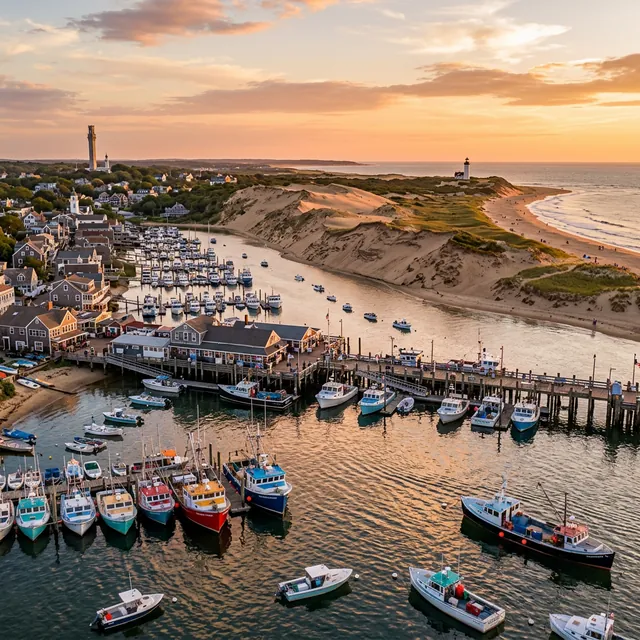
Provincetown says several charter fishing boats work from MacMillan Wharf, and Orleans describes Rock Harbor as home to a charter fishing fleet. DMF's directory of charter and head boats lists Cape Cod boats from ports including Barnstable, Dennis, Eastham and Yarmouth. On a permitted charter or head boat, you do not need your own saltwater permit.